Are Part-Time Influencers a threat to the Full-Time Influencers?

Influencer fees have always been unpredictable at best, but now there’s something else to contend with.
Anyone who’s spent more than a week working in the influencer world has seen the inconsistency of influencer fees. You could find two creators, with the exact same niche, follower count, average views and engagements, and one could quote you £1,000 and the other £100.
In fact, you could be quoted £500 by one influencer, and £2,000 by an influencer 4x smaller than the first one. But why?
Well, in my experience at least, influencer fees are typically made by sticking desire and a variety of different brand budgets into a slow cooker. An influencer could believe they are worth a certain amount, but brands consistently offer them less, so their rate falls. Or brands could offer them more, so it rises. Or they typically charge more, but they could really do with the work, so they charge less. It’s always changing.
But where do part-time influencers come into this, and what do I mean by that?
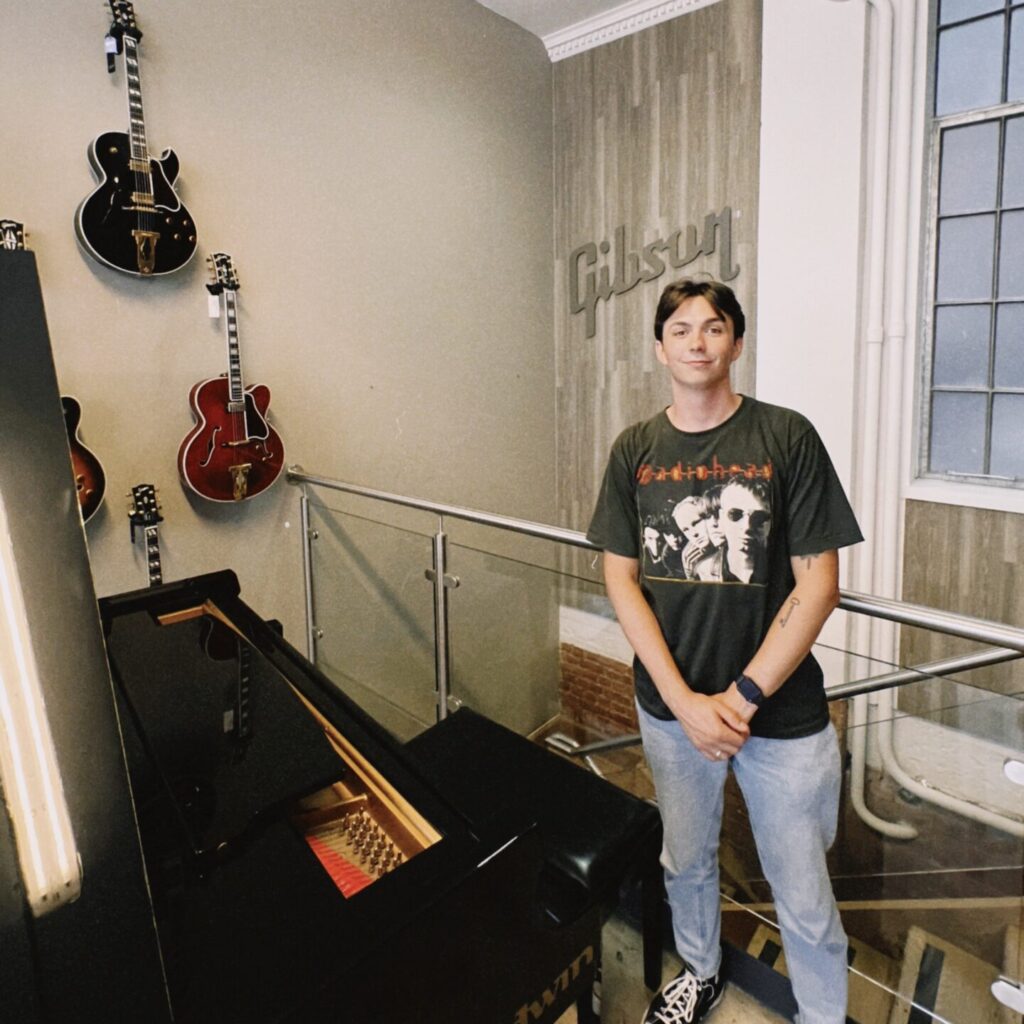
I know all about part-time influencers because I am one. I’m the Managing Director of Fluential, but I spend a few hours each week filming short-form guitar content and posting it to around 250,000 followers.
I’m also lucky enough to work with some amazing brands like Fender, Gear4Music, DistroKid, Reverb, Universal Audio, Universal Music, and many more. So how might their relationship with me differ to their relationship with a full-time creator?
Well, for a start, I’m not reliant on my income as an influencer, and whilst I’m trying not to start a race to the bottom for my fellow creators, and I’m still always wanting to earn more, the desire on my side perhaps isn’t the same as an influencer who purely creates.
Now that works both ways. I can afford to take the risk of asking brands for higher fees. But equally, I don’t need to justify a lower paying campaign, and am probably more likely to take on gifted work as I can’t play the “I can’t pay my bills with this guitar pedal” card.
“I’m not reliant on my income as an influencer, and whilst I’m trying not to start a race to the bottom for my fellow creators, the desire on my side perhaps isn’t the same as an influencer who purely creates.”
So what does this mean for the full-time creator? Honestly, it’s not great news. The barrier to become full-time will only get higher, and it’ll likely put more pressure on creators to chase a high volume of ads, which could in turn affect their relationship with their audience.
But as side-hustle culture increases, especially digital side-hustles, it’s unlikely to go away anytime soon.
Is it just me, or is everyone now a part-time UGC creator? And why wouldn’t they be? If they have an iPhone (sorry Android users – but the video quality just isn’t the same), a good eye for a shot, and determination to earn opportunities, then it’s a great way to make extra money.
But perhaps, there is a light at the end of the tunnel. As we see more and more influencers launch their own brands, essentially employing themselves as the Managing Director’s of their own empires, both big and small, maybe employment isn’t the worst thing in the world.
I’ve lost count of how many influencer friends of mine ended up taking jobs in marketing, or launching their own agencies. It must be over 20 by now. They bring with them a wealth of money-can’t-buy experience, and the ability to relate to creators in a way that those that have never been one, will never be able to.
Fluential quite literally only exists, because I wasn’t sure if I could become a full-time creator. I abandoned creating, to work on this side of the table. Now I’m back to doing both, and loving both more than ever. I’m not the first, and I can’t imagine I’ll be the last either.

Navigating Tight Regulations with Influencers
Time to commit to creators